Kalimpong Calling
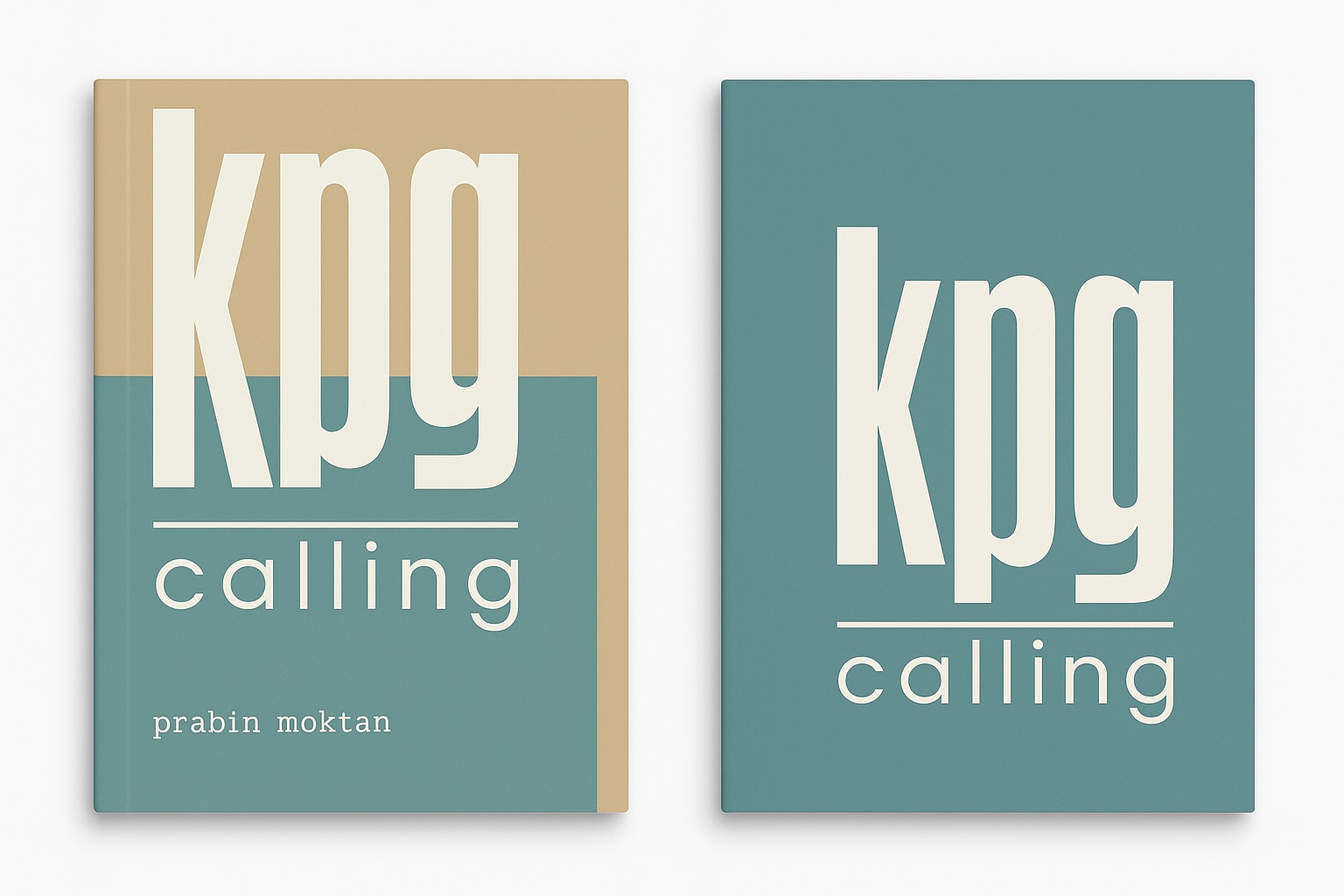
My book Kalimpong Calling, published in 2002. Essays from this collection are being shared here, one by one.
A Toast for Teesta
Just as India, in a cartographic sense, can boast of its own private ocean, Kalimpong’s pride is the Teesta. I have been fascinated by this green river ever since I can remember. Perhaps you too may have looked at it as you travelled on the road that runs parallel to its bank and wondered about the many secrets locked up in its sandy bed.
The portion below the bridge may perhaps contain a wealth of coins thrown in by diverse breeds of devout individuals, all with their own separate agendas for the divine to pay attention to. Perhaps one of them may belong to that over-zealous coin thrower who, in the process of pursuing a blessing, actually tossed herself out of the speeding jeep along with her rupee, only to miraculously escape with just a minor bruising from the Gammon concrete.
And what about the rusty carcasses of the numerous vehicles that its waters swallow every monsoon? Here it may be an army truck hosting a silent school of scales. Or the submerged remains of a jeep, perhaps inquisitively nibbled at by a truculent trout.
Of course, synonymous with the Teesta is also its bazaar. There was a time when it was a junction, a sort of intersection where people got down to stretch their legs and maybe drink a glass of tea or coke. Or they could have simply walked to the edge of the road and cast a glance at the turbulent Teesta, to drink of its temperamental greenness and lose themselves to the sound of its feisty flow.
Back then, when we did not travel as frequently as we do now, reaching the Teesta was an occasion to be looked forward to. It was a signpost marking the end of a significant portion of the journey. And although none really got down to stay behind, it was with a certain sense of unfulfilled longing that one boarded the jeep to continue ahead. A feeling also felt by the narrator of perhaps what is one of the greatest short stories of the Nepali language, Kheer. It is not coincidental that this story, heavy on symbolism, is set on the Teesta.
The Teesta, after all, is more than a river. Although not as religiously significant as the other great rivers, it has a special place in our hearts. Its banks serve as locales for life’s great picnics and also its eternal farewells. And while it has not spawned civilizations as such, its sand is an important ingredient of our nascent progress.
Of course, to come back to more mundane matters, the shifting of the bridge had initially sucked its economy dry to the bone. Being bypassed by the bulk of the traffic meant that the bustling bazaar was a thing of the past. But fortunately human resilience is a marvellous thing and Teesta too has not escaped from the optimism of its denizens. The shelves are certainly looking fuller and the giant papayas as ripe and inviting as ever.
But even then one cannot but miss the old times, when that pontoon across the waters allowed only one vehicle at a time. The vehicle slowed down, the bridge gave way just a little, its elasticity arching in deference to the jeep and its load. There was the swish of the trajectory of the wishing coins and the prayerful crossing of the hands.
That sense of history is gone with that bridge and, except for memories, at least I do not have any photographs to remember the poetry of its steel and engineering. Remember the stricture that prohibited any photographing of the structure.
The consolation today is that the new construction is so sound that there are no such orders betraying the insecurities of that bygone age. And perhaps as a metaphor for our ever-increasing mobility it does not require you to slow down or cross one at a time. Now you may drive by at top speed along with countless others in similar hurry as you.
Only the Teesta flows as ever.